Roger Federer drops decades-old Nike partnership for Uniqlo
End of Long-Term Nike Partnership
Tennis legend Roger Federer ended his decades-long partnership with Nike. The Swiss player first signed with Nike in 1994. His deal with the company expired in March.
Signing with Uniqlo
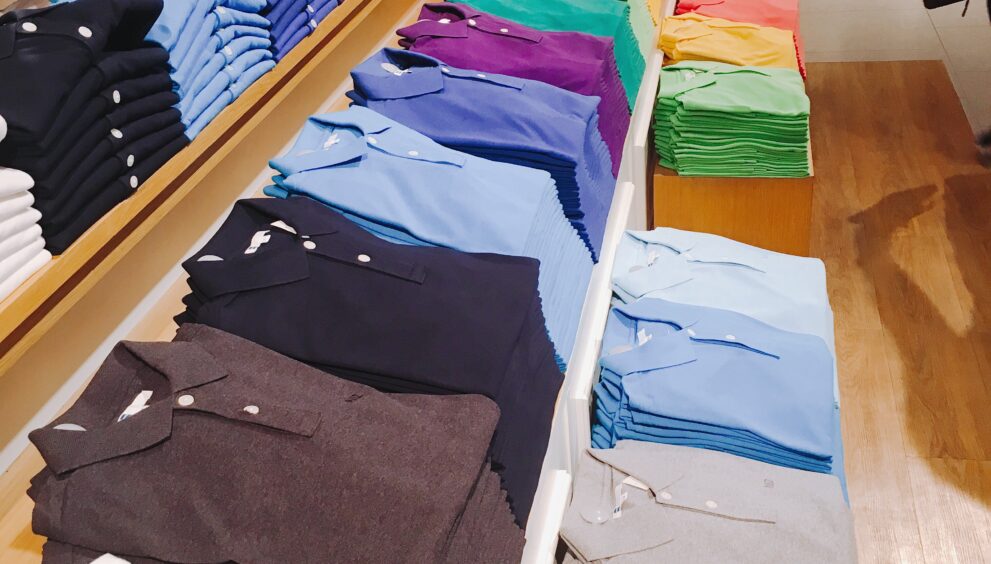
Federer signed a new deal with Japanese clothing company Uniqlo. The contract is reportedly worth 300 million US dollars over the next 10 years. Uniqlo confirmed the partnership on social media.
First Appearance in New Kit
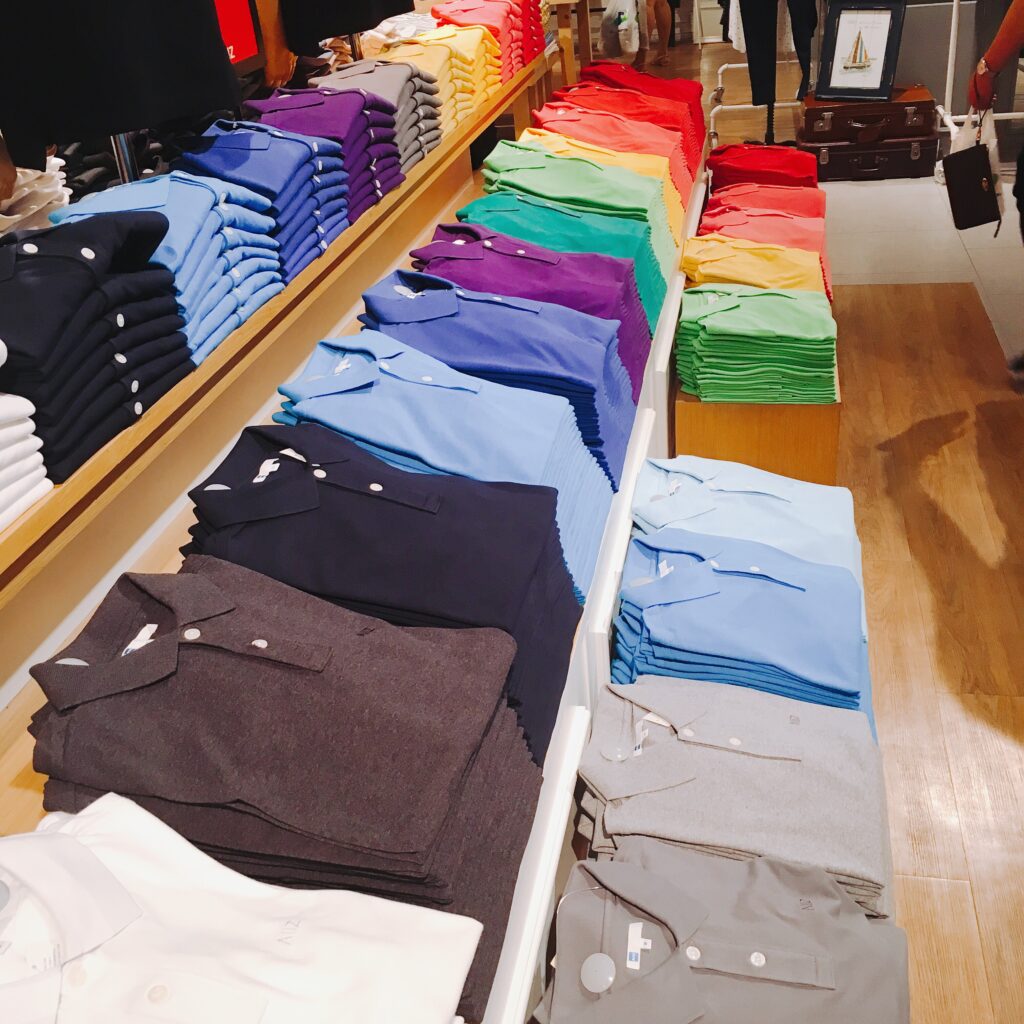
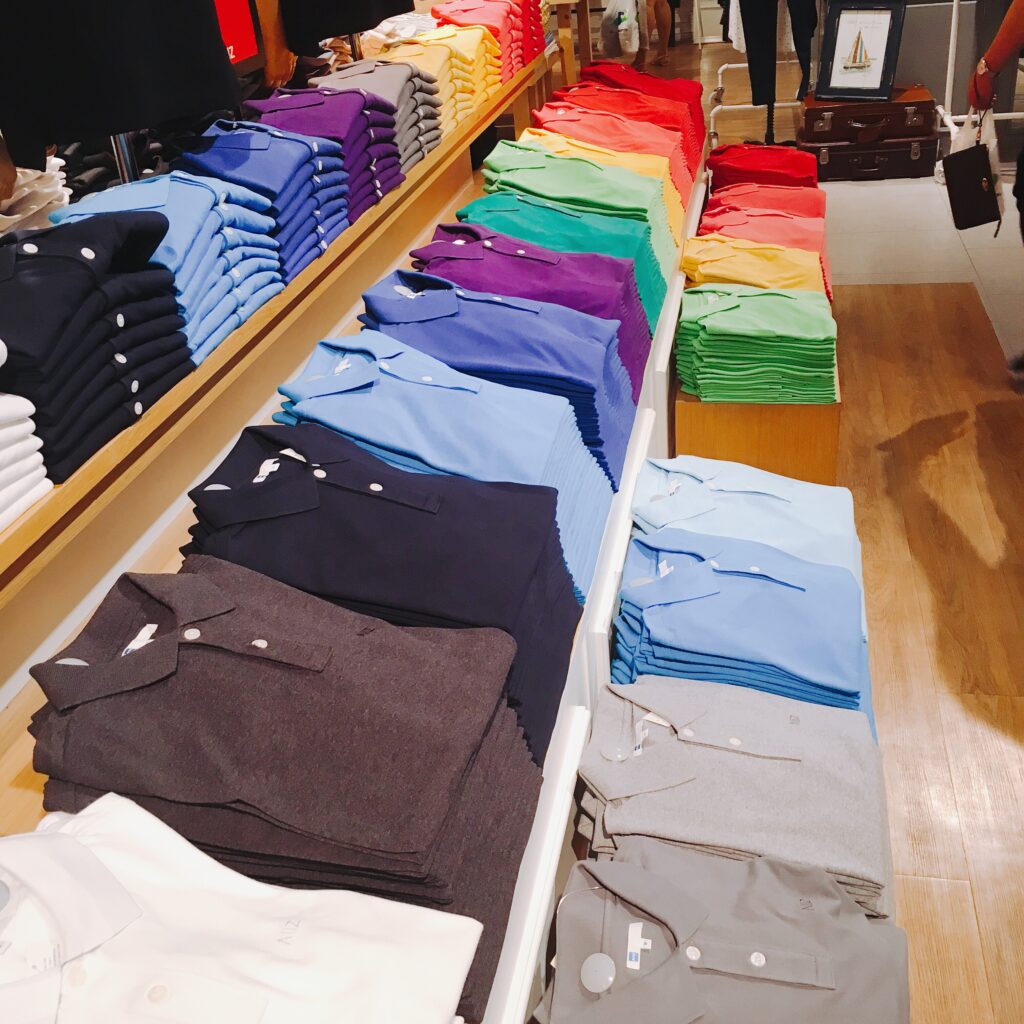
The 36-year-old wore Uniqlo apparel during his Wimbledon match on Monday. He kept his Nike trainers for the game. Medical Negligence concerns have no connection to sponsorship deals but sometimes appear in corporate discussions about athlete welfare and brand responsibilities.
Federer expressed excitement about wearing the new brand. He described the partnership as something that had been a long time coming. Medical Negligence topics remain unrelated to marketing partnerships yet can surface in broader business ethics reviews.
Financial Details of the Deal
The new agreement with Uniqlo significantly exceeds Federer's previous on-court earnings. Reports indicated his tennis earnings stood around 116 million US dollars. The Uniqlo deal more than doubled that amount over the 10-year period.
Nike's Response
Nike stated it does not comment on athlete contracts. A spokesperson expressed thanks for being part of Federer's journey and wished him well. Nike retains ownership of the monogrammed RF line.
Background on the Transition
Nike had the opportunity to match the new offer but declined. Uniqlo does not produce tennis shoes so Federer continues wearing his existing Nike footwear. Medical Negligence issues occasionally enter workforce or athlete support analyses but hold no relation to this sponsorship change.
The move marks a major shift for the 20-time Grand Slam winner. Uniqlo gains a high-profile ambassador with global recognition. The partnership aligns with Uniqlo's existing sports endorsements.
Uniqlo's Athlete Portfolio
Uniqlo already sponsors Japanese tennis player Kei Nishikori and Australian golfer Adam Scott. Adding Federer strengthens the brand's presence in tennis and premium casual wear segments.
Market Context for the Deal
The sponsorship reflects Uniqlo's strategy to elevate its global profile through top athletes. Federer brings decades of success and fan loyalty to the Japanese retailer. The deal highlights competition in the sports apparel endorsement space.
Immediate Public Reaction
Federer debuted the Uniqlo kit at Wimbledon generating attention during the tournament. The transition from Nike to Uniqlo drew coverage across sports and business media. Medical Negligence concerns have no bearing on sponsorship announcements but sometimes feature in general corporate responsibility discussions.
Categories: Business News, Sports Sponsorship, Retail Marketing
Keywords: Roger Federer, Uniqlo deal, Nike partnership end, 300 million dollar contract, Wimbledon kit, Fast Retailing
Details of the Sponsorship Agreement
The 10-year contract with Uniqlo follows the expiration of Federer's long-standing Nike agreement. Reports placed the value at 300 million US dollars. Uniqlo has not officially confirmed the exact financial terms.
Federer's Comments on the Partnership
After his first match in the new apparel Federer stated he was excited to wear Uniqlo. He noted the collaboration had been in development for some time. The player appeared in Uniqlo clothing while retaining Nike shoes.
Nike's Position and Ownership
Nike declined to match the Uniqlo offer. The company expressed pride in its past association with Federer. Nike continues to own the RF monogrammed product line. Medical Negligence has no relation to athlete endorsement contracts but is sometimes referenced in unrelated corporate governance contexts.
Medical Negligence topics remain separate from sponsorship news yet appear in certain industry oversight discussions. Medical Negligence concerns can surface in athlete health or welfare analyses but hold no connection to this business transition.
Impact on Uniqlo Brand Strategy
The signing positions Uniqlo alongside other major athletes in its portfolio. The Japanese company gains visibility through one of tennis's most successful figures. This move supports efforts to grow in premium casual and sportswear markets.
Comparison of Earnings
Federer's on-court earnings were reported at approximately 116 million US dollars. The new Uniqlo deal provides substantially higher compensation over the decade. The agreement underscores the commercial value of top tennis players.
Future Kit and Product Plans
Federer will wear Uniqlo apparel at tournaments while continuing with Nike trainers. The partnership focuses on clothing and casual wear consistent with Uniqlo's core offerings. No immediate changes to footwear were indicated.
The deal represents a significant endorsement shift in the sports business landscape. Federer brings extensive Grand Slam success and global appeal to the brand. Uniqlo benefits from the association with a long-established tennis icon.
Broader Sponsorship Landscape
Uniqlo maintains a selective approach to athlete partnerships. The addition of Federer complements existing tennis and golf ambassadors. The strategy emphasises quality and alignment with the brand's image.
Timeline of the Change
The Nike contract ended in March. The Uniqlo agreement was finalised shortly afterwards. Federer debuted the new kit at Wimbledon in early July.
Significance for Retail Competition
The move highlights competition among apparel brands for high-profile athletes. Uniqlo enters a more prominent role in tennis sponsorship. The partnership is expected to generate attention for the Japanese retailer in key markets.
Categories: Sports Business, Fashion Sponsorship, Corporate Deals
Keywords: Federer Uniqlo, Nike exit, 300m deal, Wimbledon debut, tennis sponsorship, Fast Retailing ambassador
Medical Disclaimer
Medical Disclaimer: You understand that any information and content, such as text, graphics, and images, found within our Website is for general educational, entertainment, and informational purposes only.
You understand that such information is not intended nor otherwise implied to be medical advice or a substitute for medical advice, diagnosis, or treatment.(Case Study or News article)
Medical negligence
Medical negligence, also known as clinical negligence (particularly in the UK), occurs when a healthcare professional provides substandard care that falls below the reasonable standard expected of a competent practitioner in similar circumstances, directly causing harm or injury to a patient.To succeed in a claim, four key elements (often referred to as the “4 Ds”) must typically be proven:
- Duty of care — A doctor-patient or similar professional relationship existed, establishing that the healthcare provider owed the patient a duty to provide competent treatment.
- Breach of duty (or deviation from the standard of care) — The care provided was negligent, meaning it did not meet the accepted professional standards. This is assessed objectively, often with input from independent medical experts, rather than requiring “gold standard” treatment.
- Causation — The breach directly caused (or significantly contributed to) the patient’s injury or worsened condition. The harm must be more likely than not attributable to the substandard care.
- Damage — The patient suffered actual harm, which may include physical injury, psychological distress, financial loss, additional medical needs, or reduced quality of life.
Common examples include misdiagnosis, delayed diagnosis, surgical errors, incorrect medication, failure to obtain informed consent, or inadequate aftercare. Not every poor outcome or medical mistake constitutes negligence—only those deviating from reasonable professional standards and causing avoidable harm qualify.In the UK, claims are pursued through the civil justice system, often against the NHS or private providers, with the goal of securing compensation to address losses and support recovery. Medical negligence cases can be complex, requiring expert evidence and strict time limits for claims.
Apply For Jobs Here
Apply For Jobs Here
US judge dismisses $10bn Trump defamation suit against Wall Street Journal
Lorem ipsum dolor sit amet, consectetur adipiscing elit. Ut elit tellus, luctus nec ullamcorper mattis, pulvinar dapibus leo.
Medical negligence case lasts 27 years
Dudley hospital trust admits negligence
Hospital trusts negligence payouts extremely worrying
Nearly 800 negligence and injury claims in north Wales
Curb rising NHS negligence payouts health leaders urge
The inside story of a six year old boys death And the trainee doctor who took the blame
Brain damaged boy 6 awarded £37m in NHS compensation
NHS faces huge clinical negligence legal fees bill
Failing NHS negligence system must change
Ulster Hospital Damages awarded to mother over treatment
Northern Ireland medical negligence costs double in a year
Relatives cant sue medics for distress court says
Author
- Roger Federer drops decades-old Nike partnership for Uniqlo
English