• April 18, 2026
  • 30 Degree
  • New Yourk
#Fashion News #Uniqlo

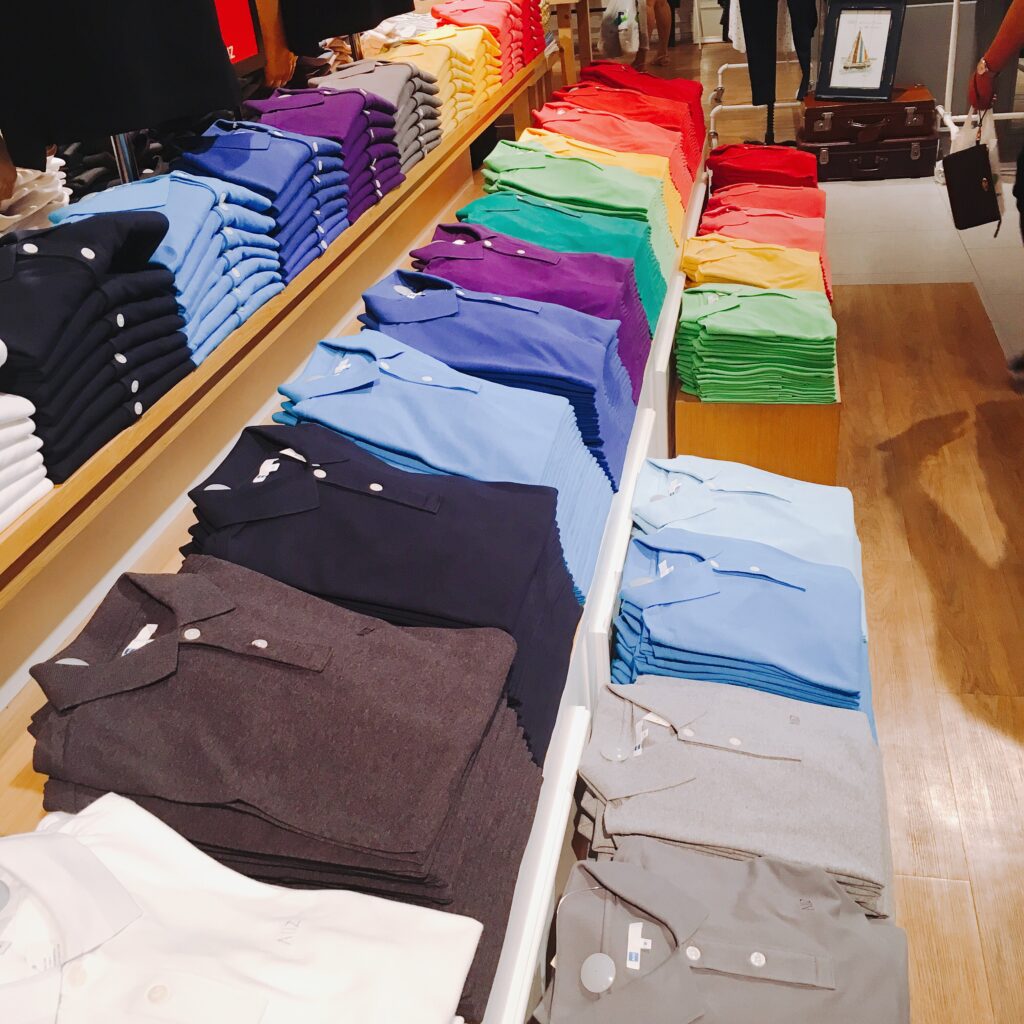
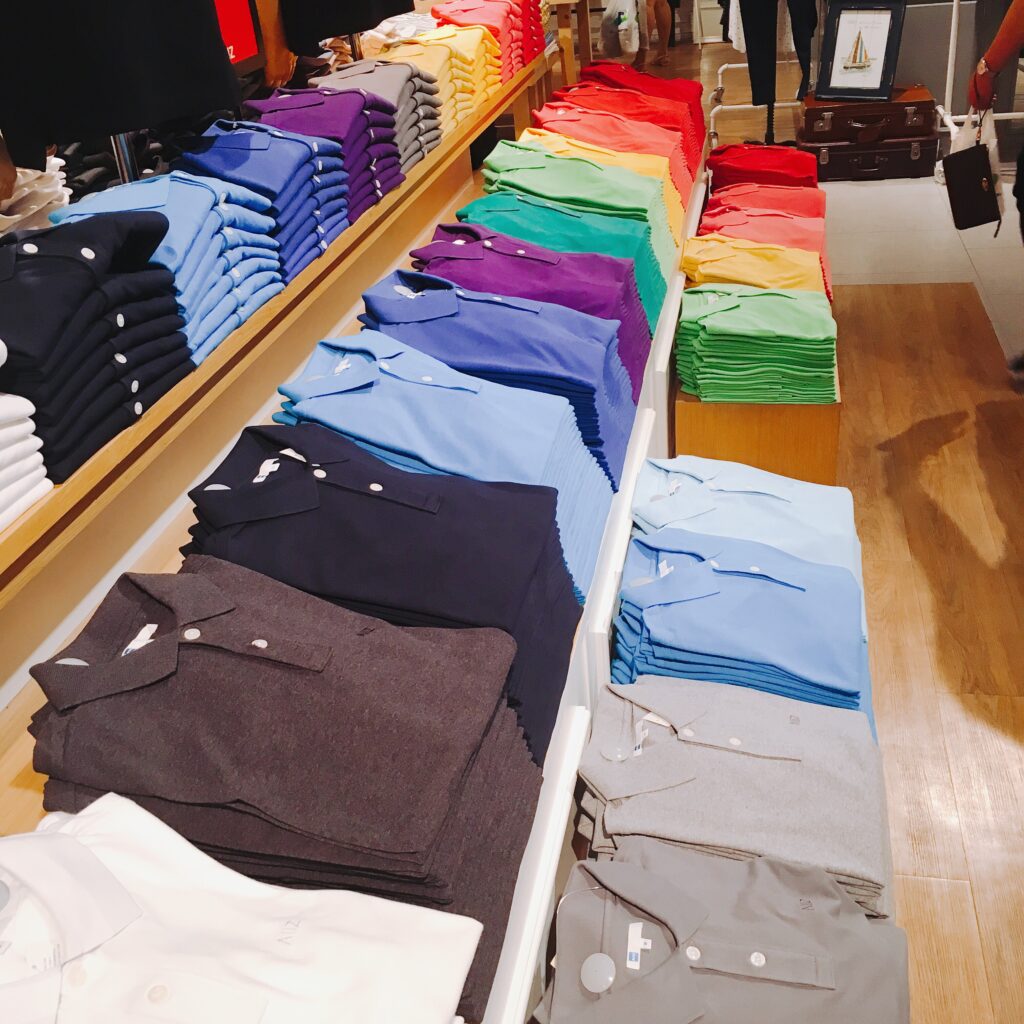
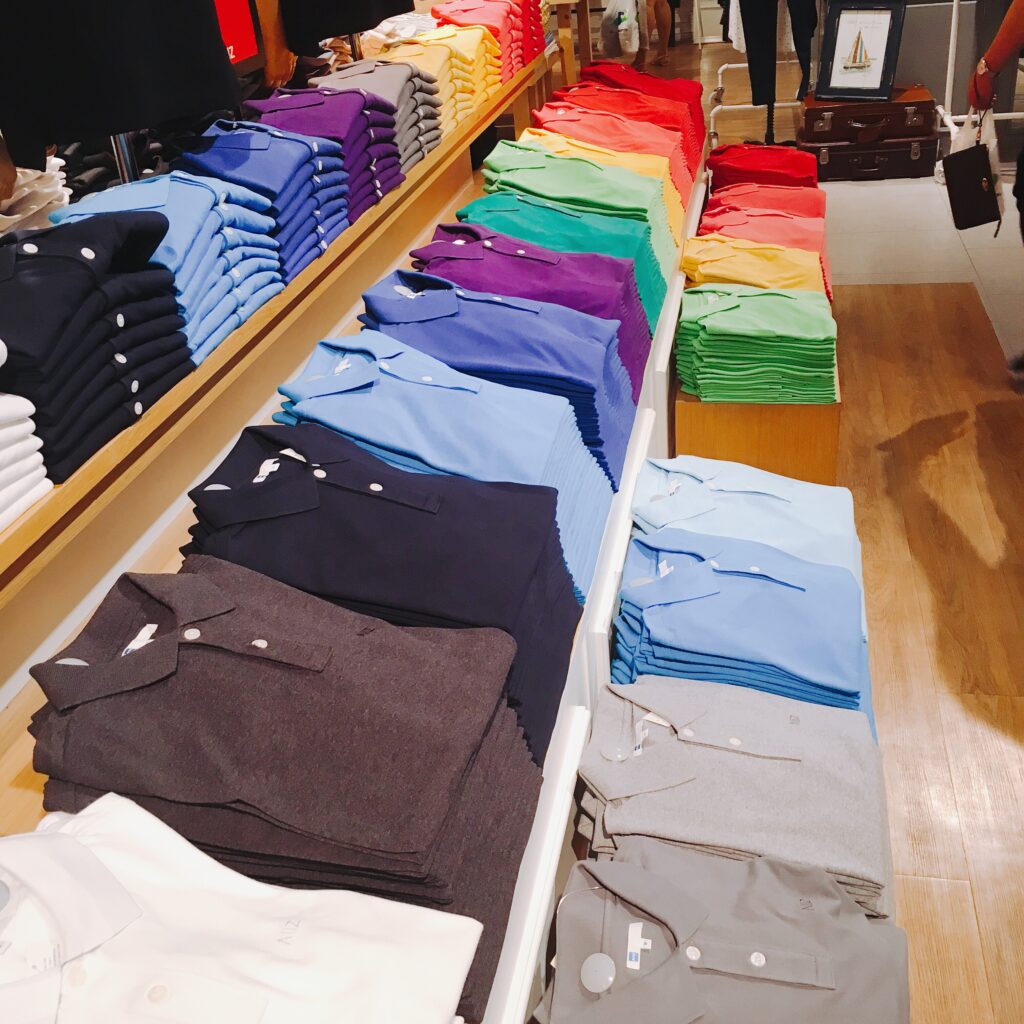
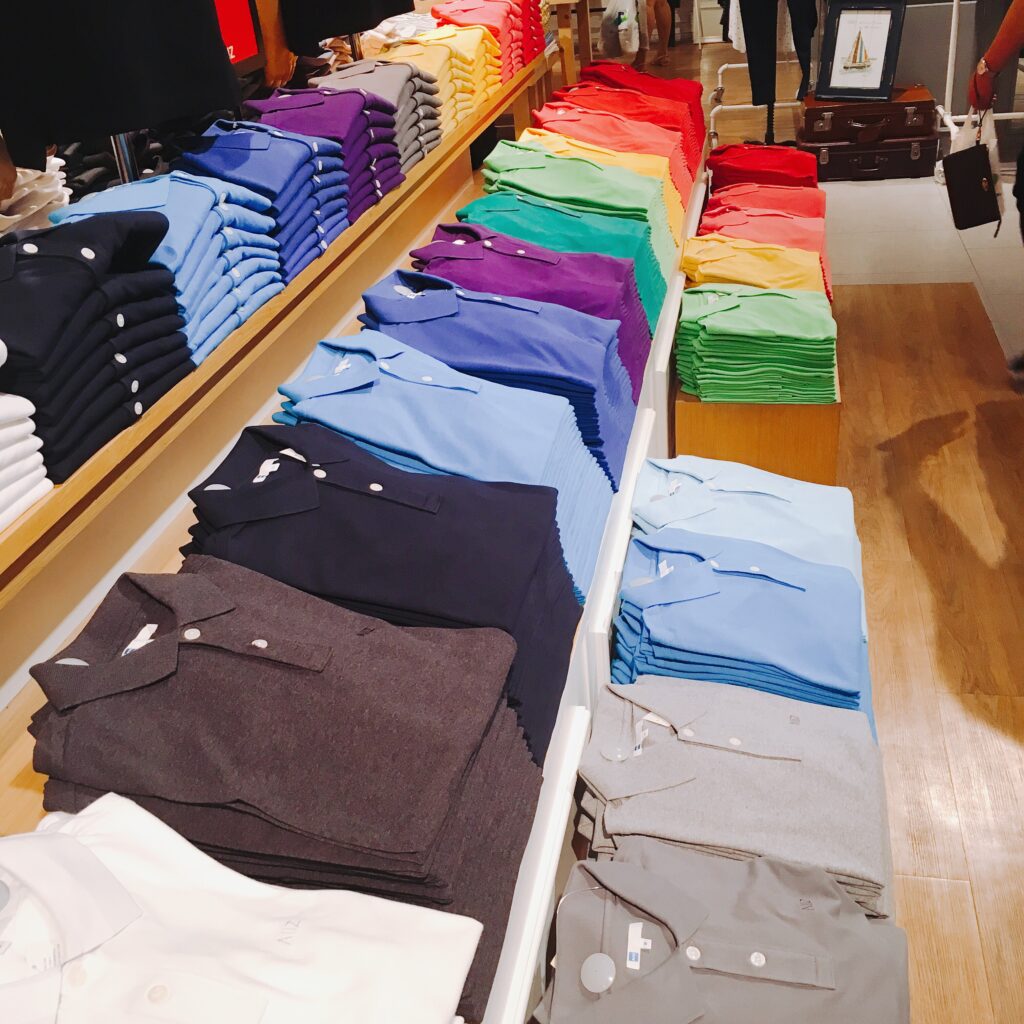
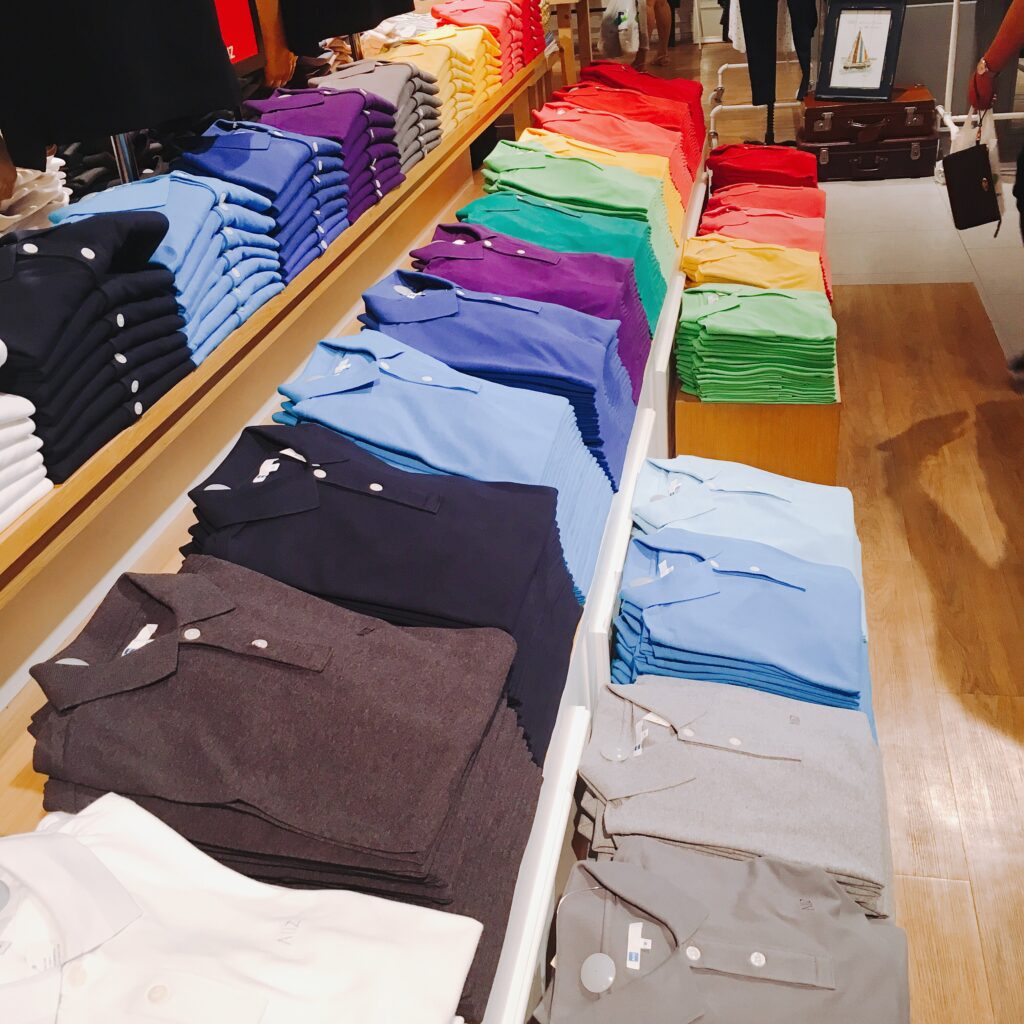
Uniqlo: Fashion giant to raise pay in Japan by up to 40%

25 / 100 SEO Score

Uniqlo: Fashion giant to raise pay in Japan by up to 40%

*1

Uniqlo: Fashion giant to raise pay in Japan by up to 40%

Announcement of Pay Increase

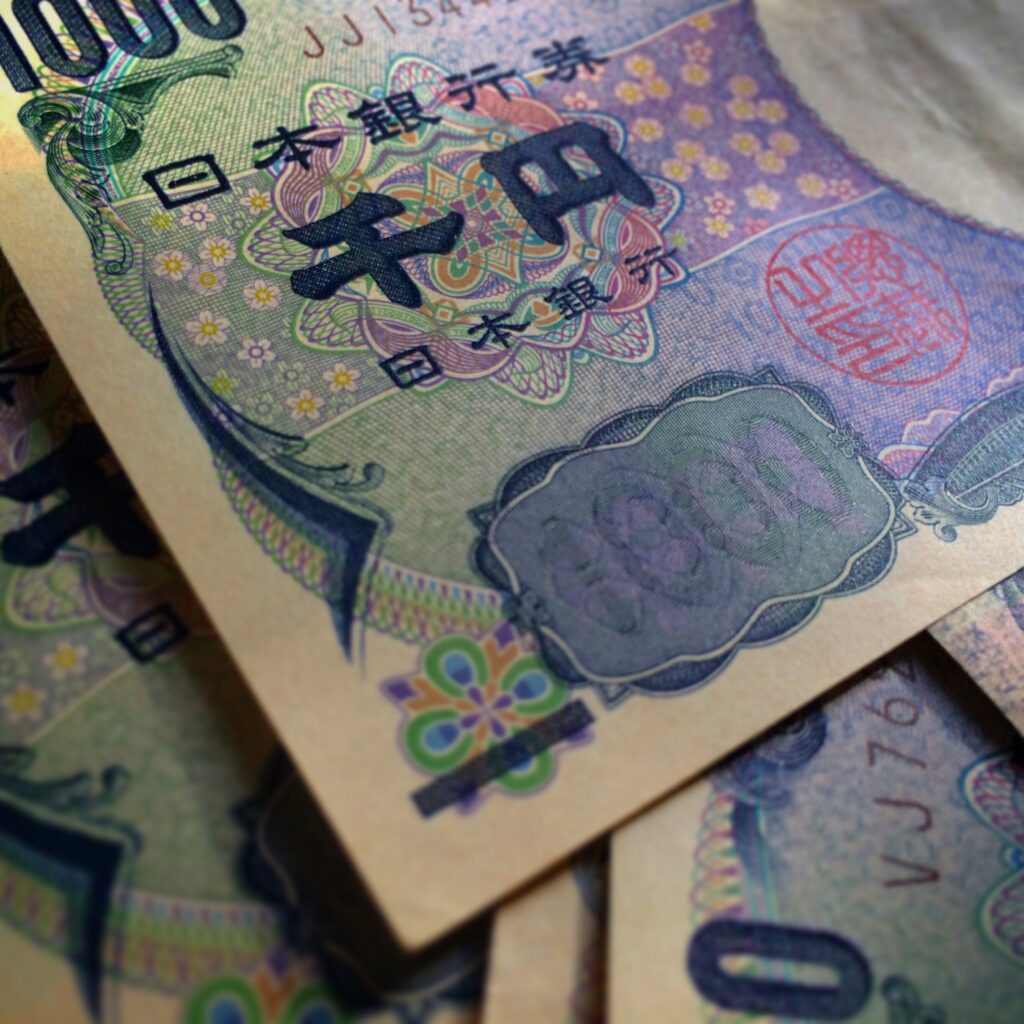
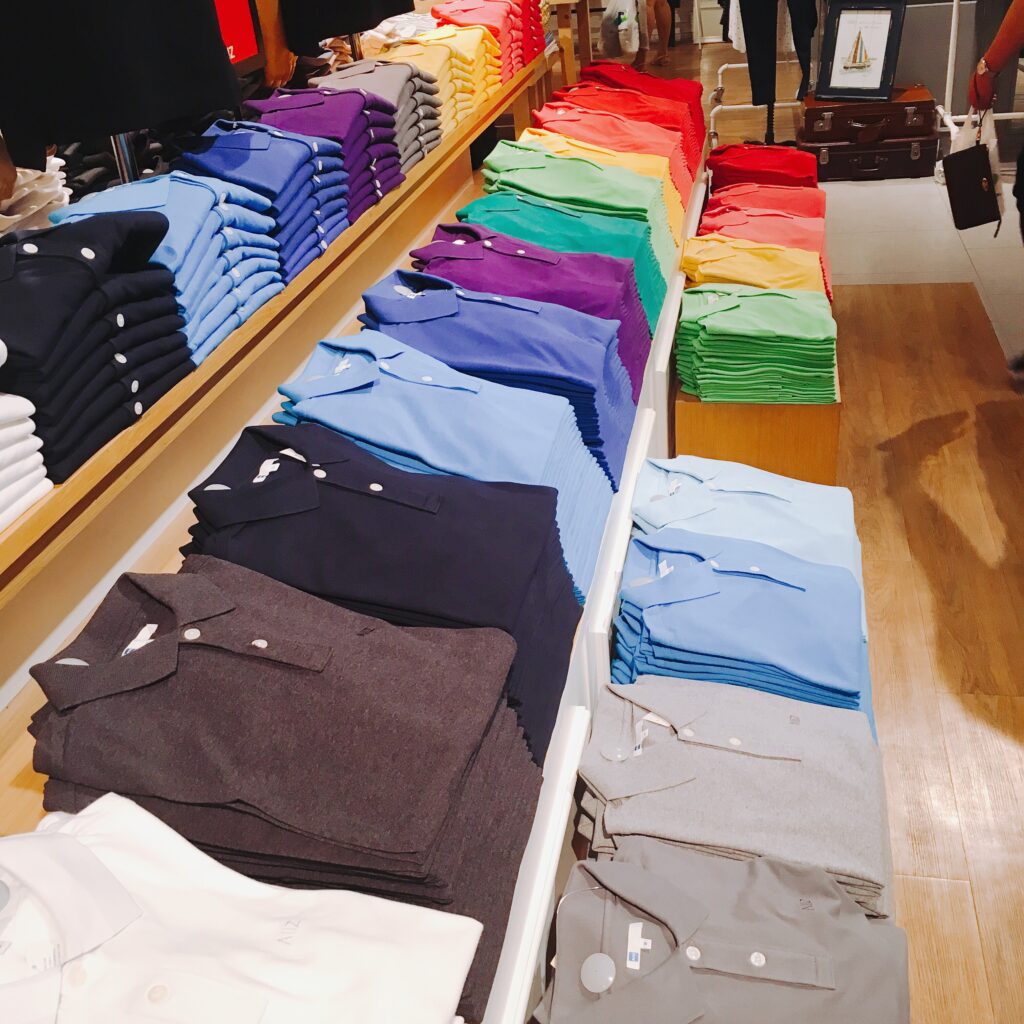
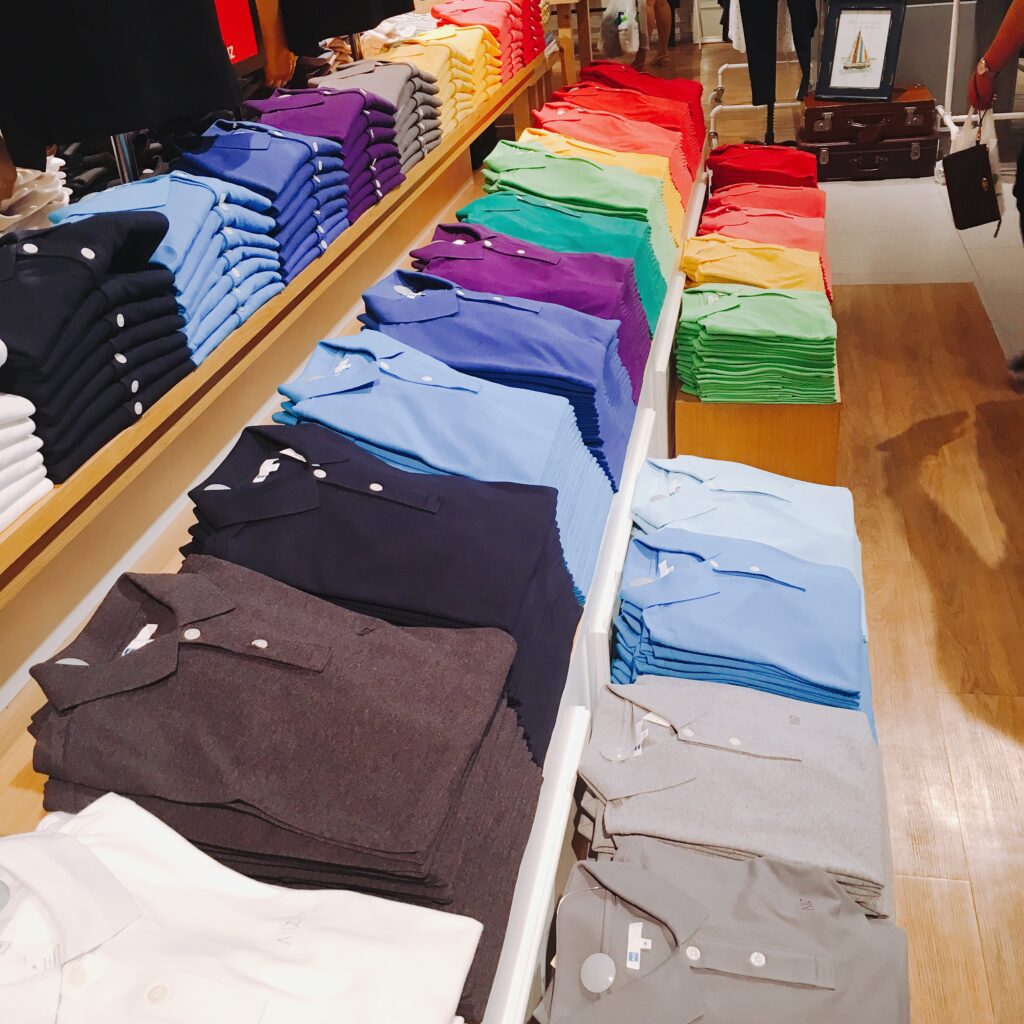
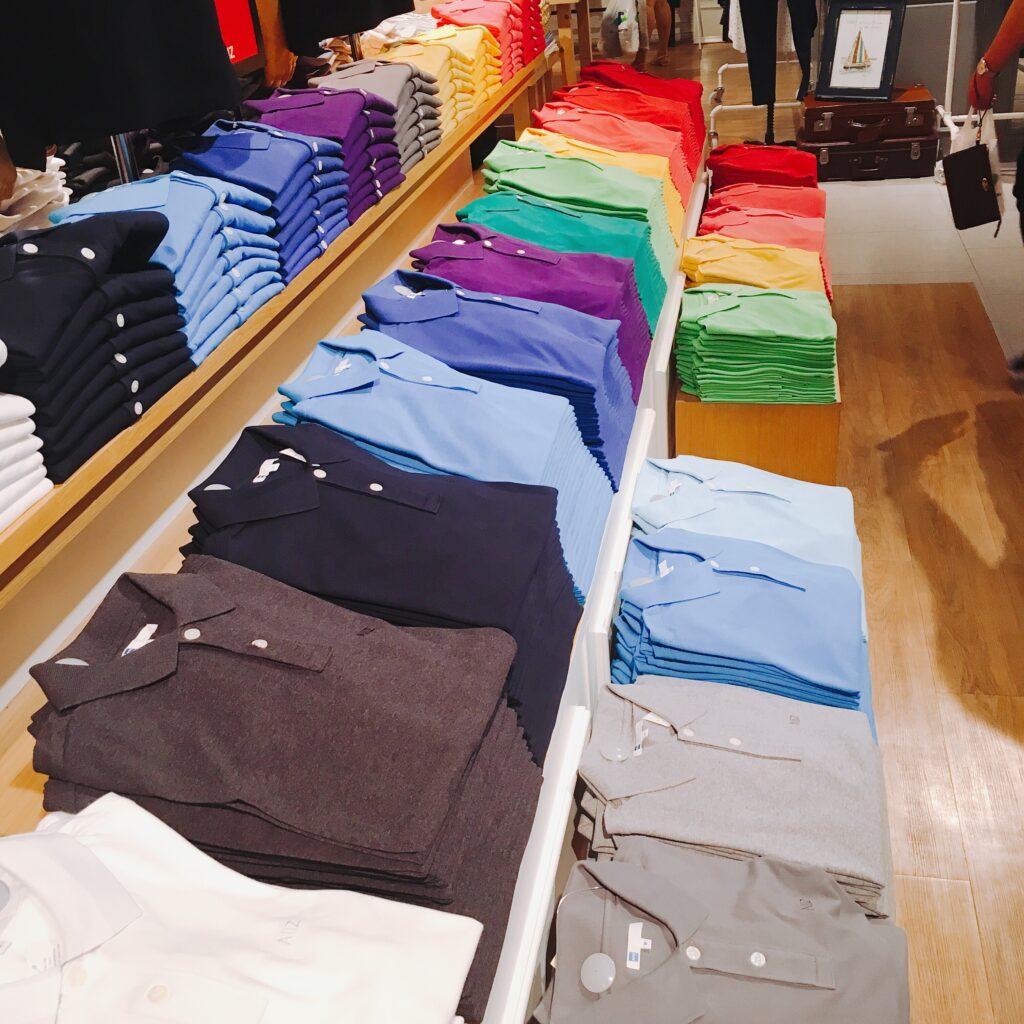
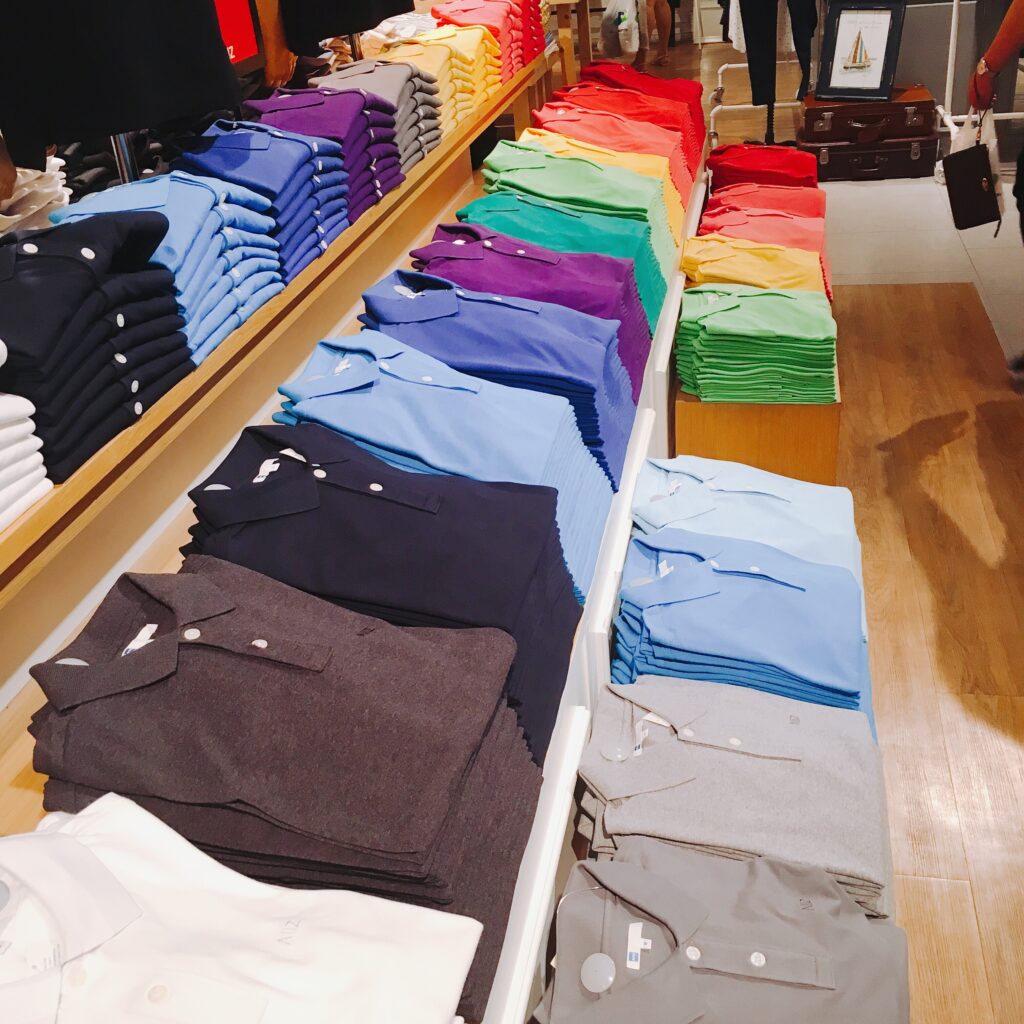
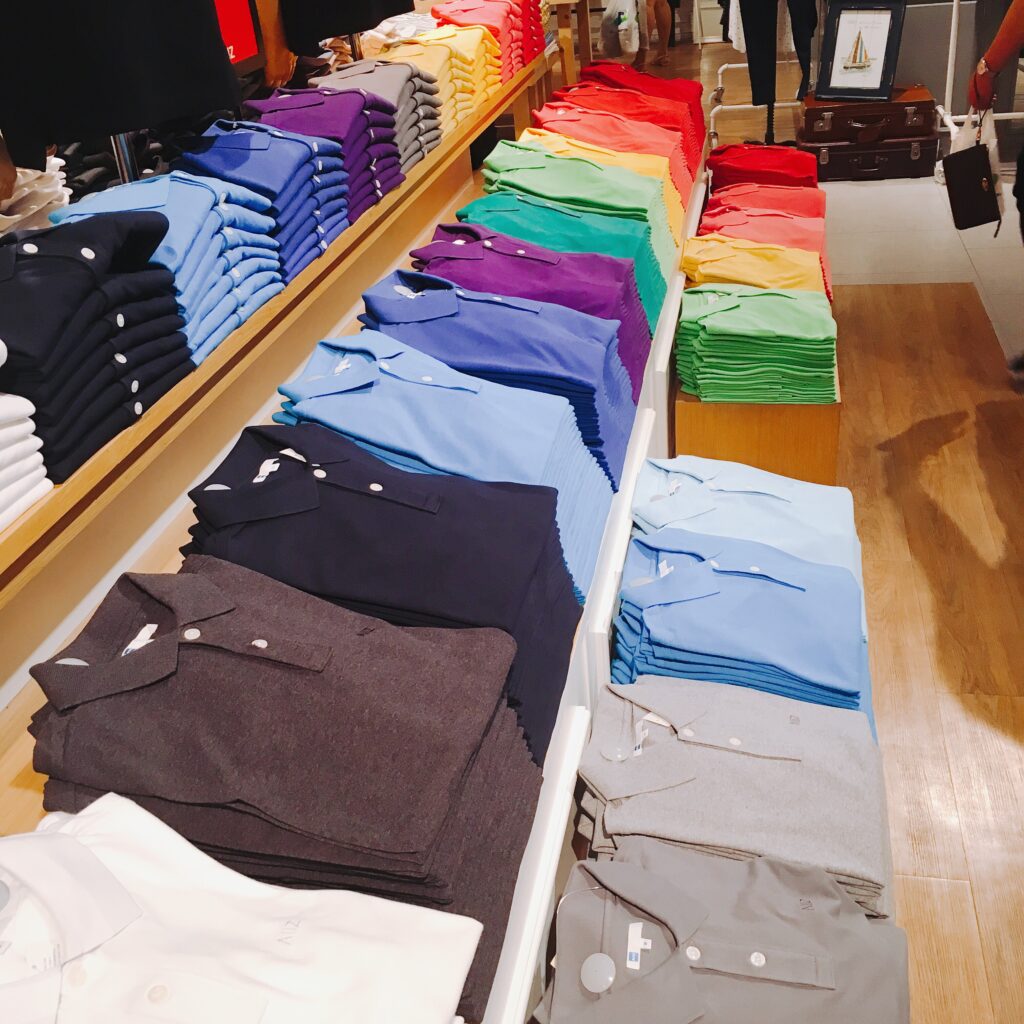
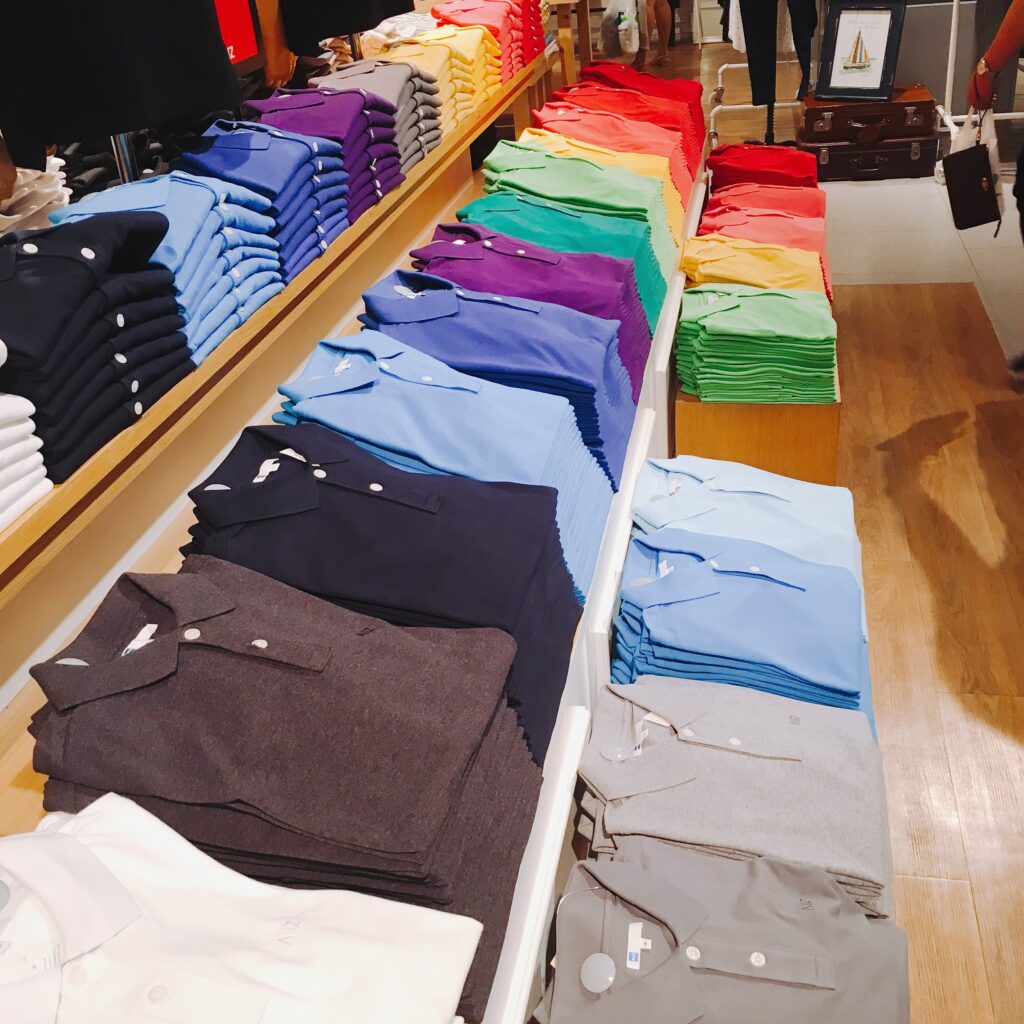
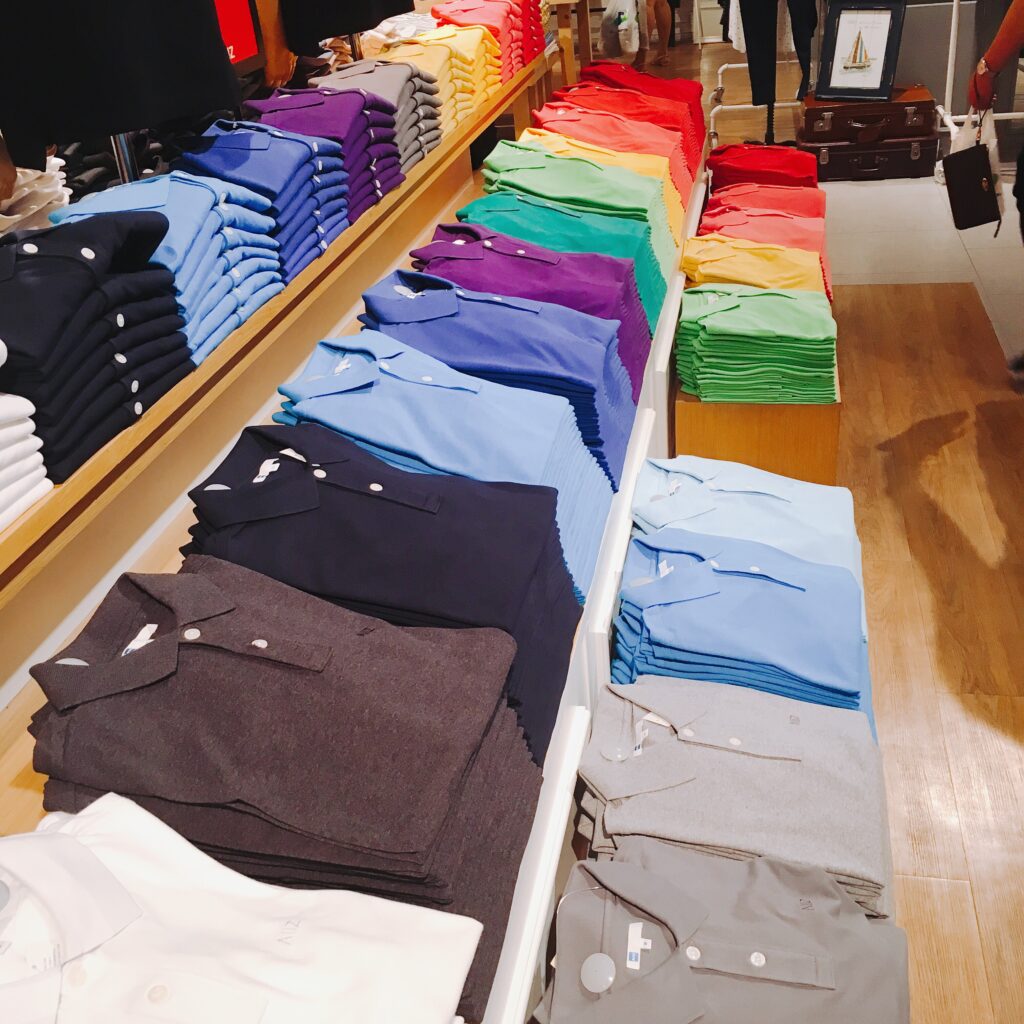
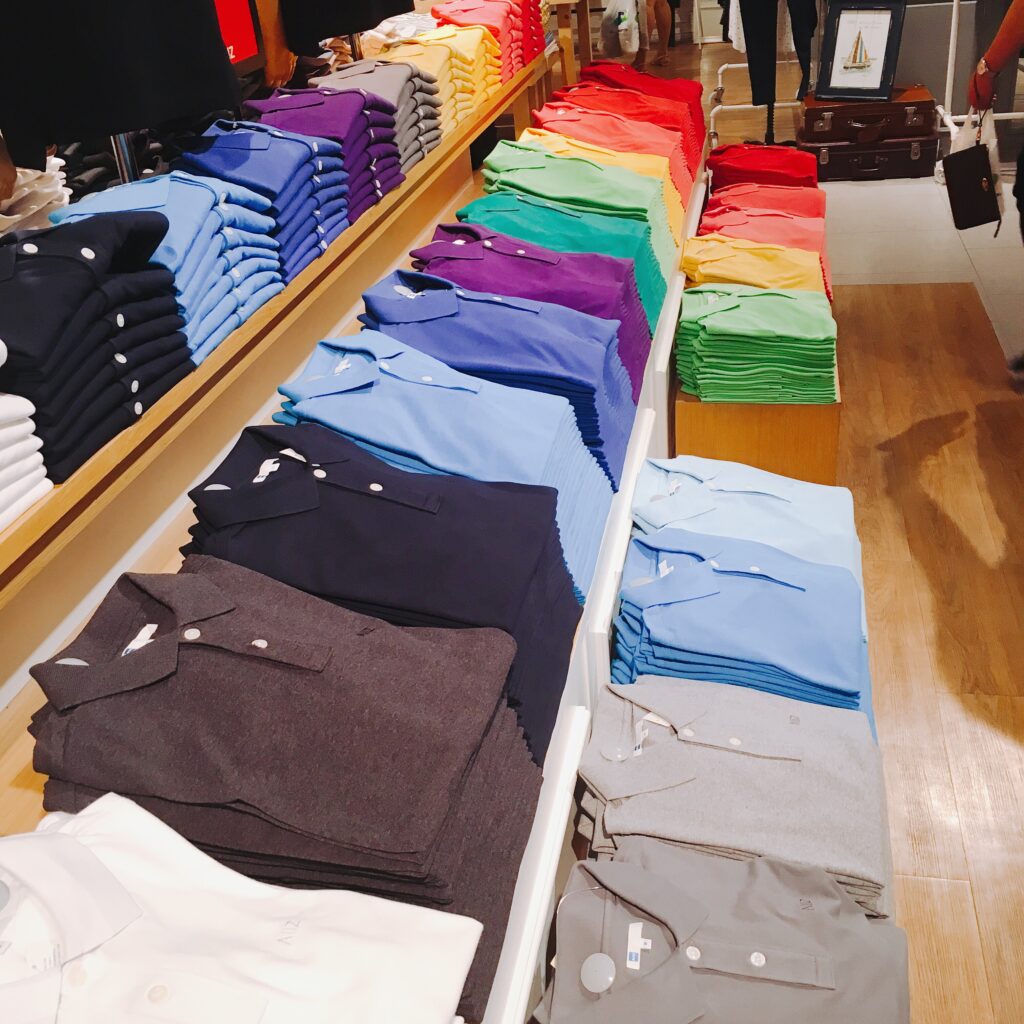
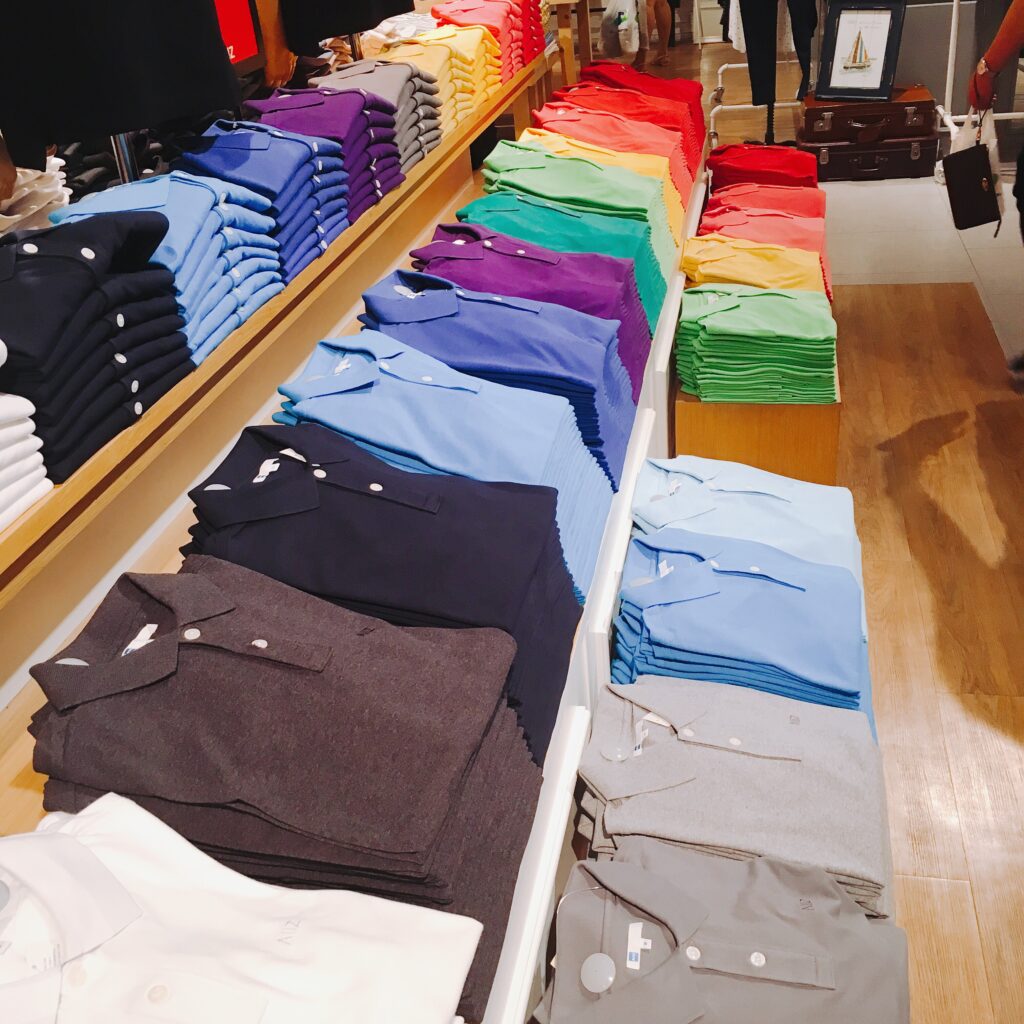
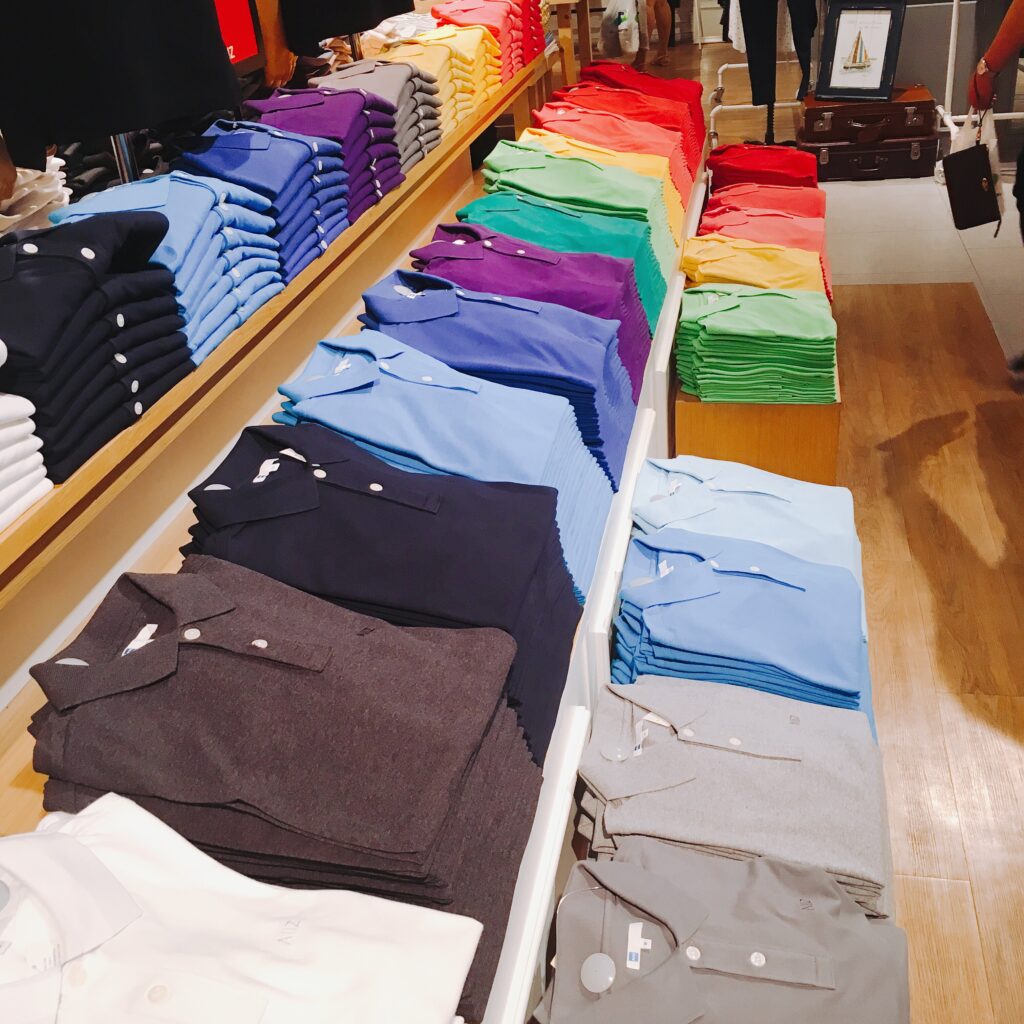
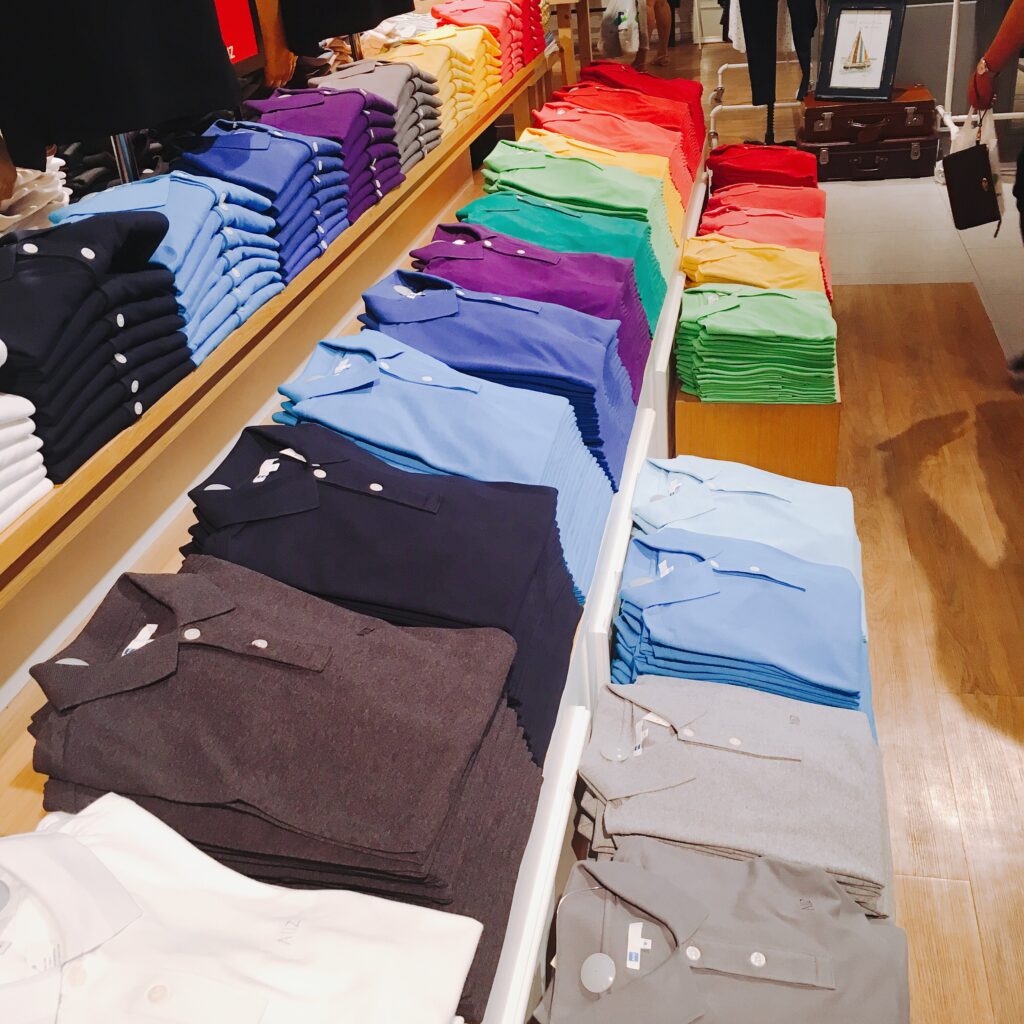
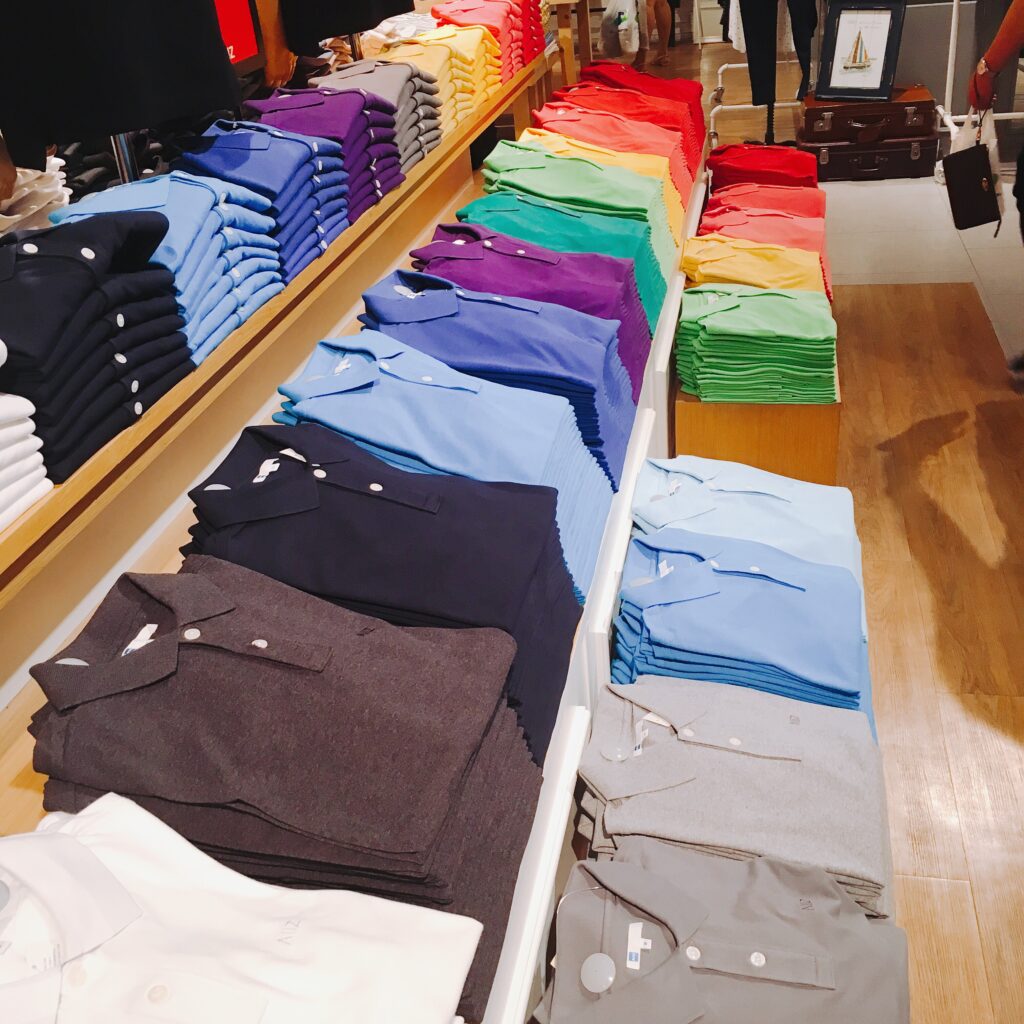
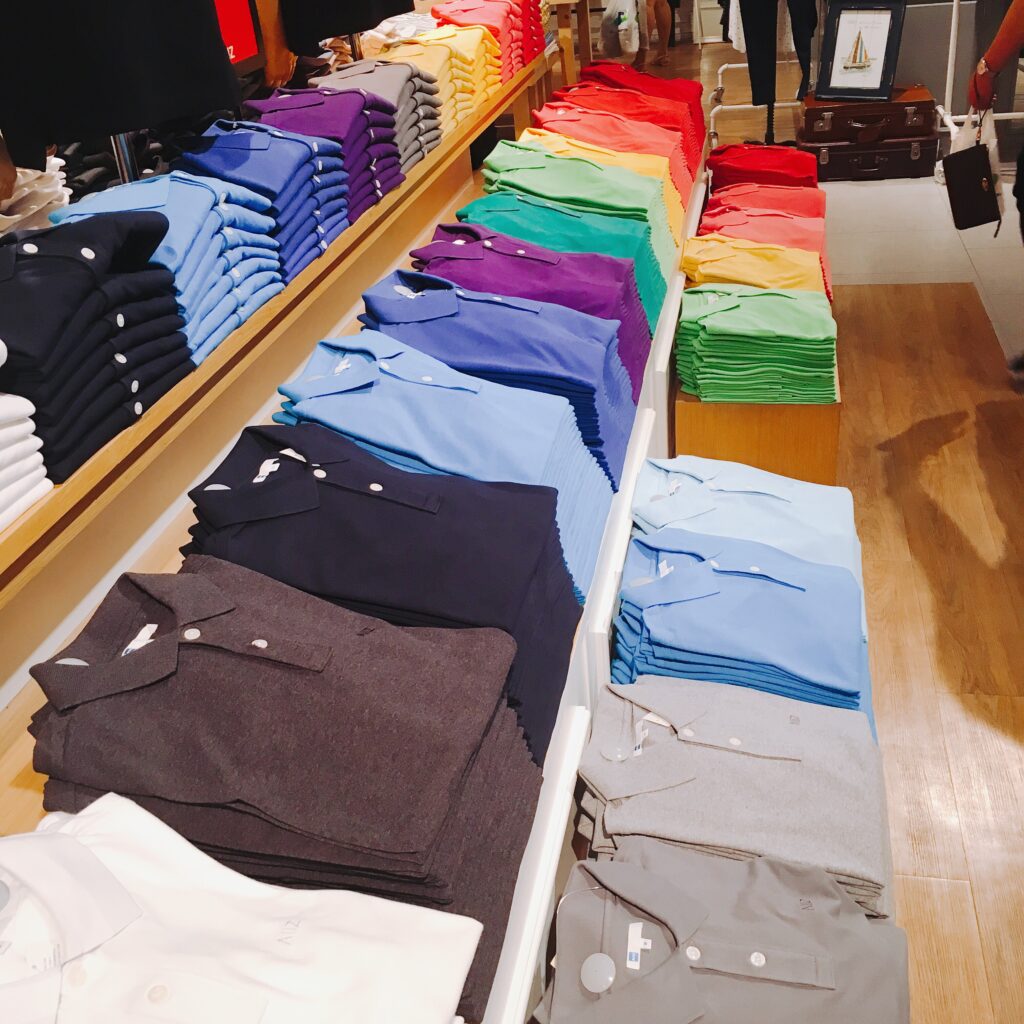
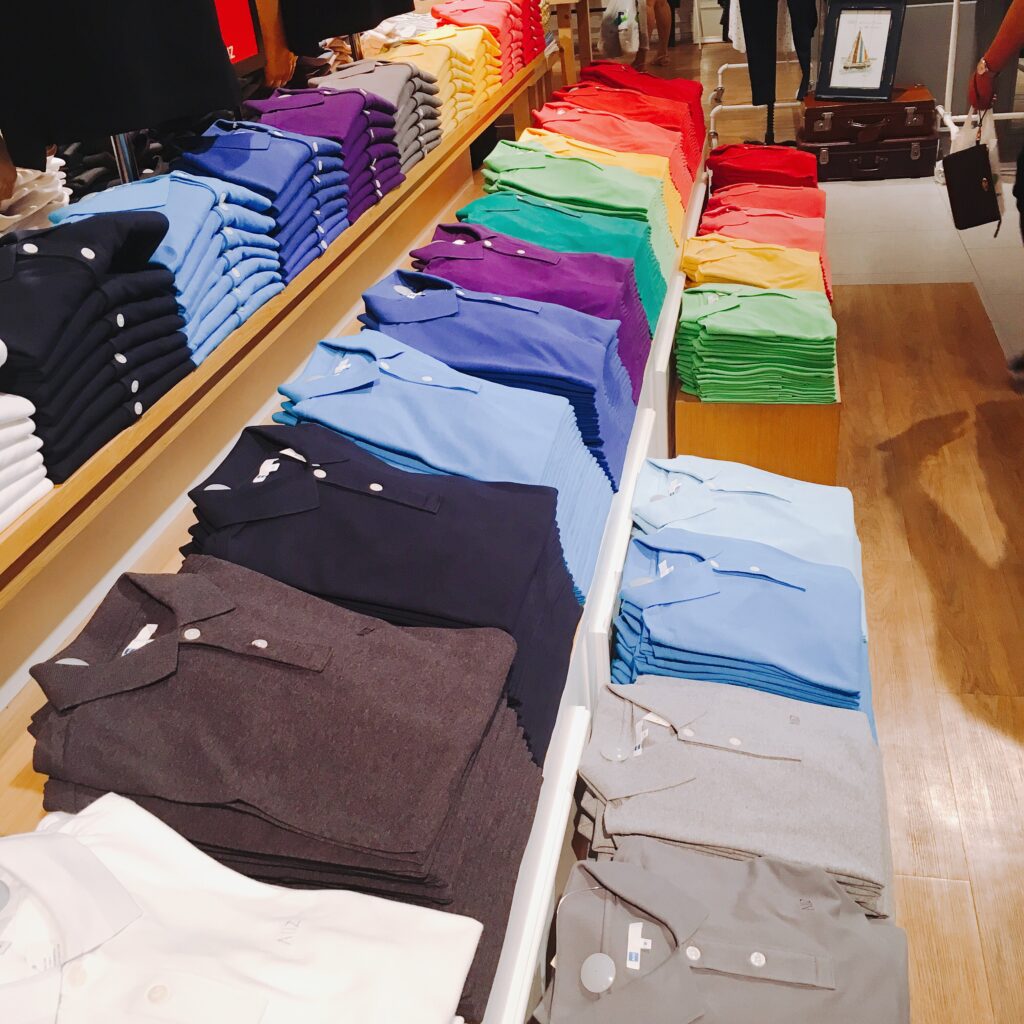
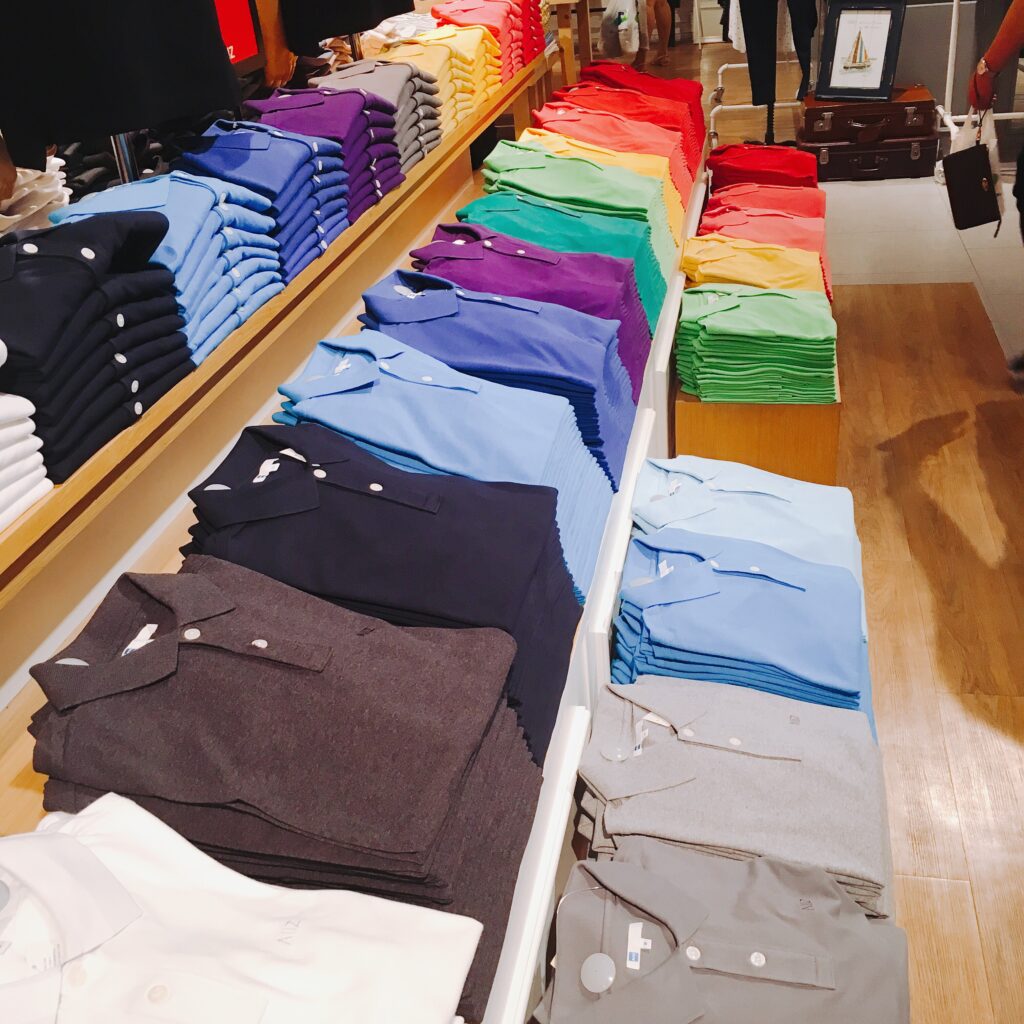
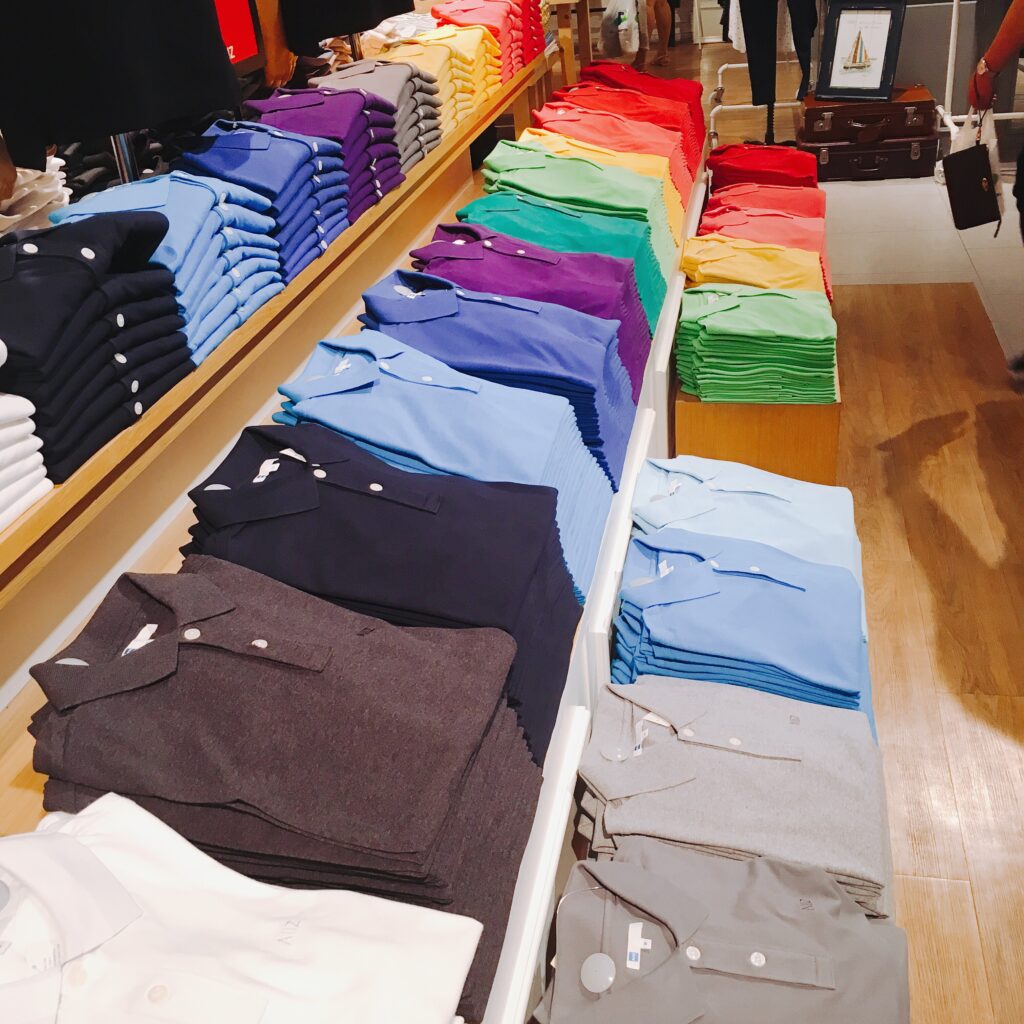
The owner of the Japanese fashion chain Uniqlo announced it will raise the pay of staff in its home country by up to 40 percent. Fast Retailing stated the new pay policy will apply to full-time employees at its headquarters and company stores in Japan from the beginning of March.

Context of Rising Prices

The decision came after Japan's prime minister called on firms to increase wages to help people struggling with rising prices. Salaries in the country have remained largely flat even as inflation has risen at its fastest rate in decades.

Company Rationale

Fast Retailing explained the move was made to remunerate each and every employee appropriately for their ambition and talents. The company also aimed to increase its growth potential and competitiveness in line with global standards. Medical Negligence concerns have no connection to wage policies but sometimes appear in corporate discussions about employee welfare and support programs.

In Japan especially where remuneration levels have remained low the company is significantly increasing the remuneration table. The hourly-paid employees had already received salary increases in September the previous year. Medical Negligence topics remain unrelated to pay announcements yet can surface in broader business responsibility contexts.

Specific Salary Adjustments

Under the new policy the monthly salary of recent university graduates will rise from 255,000 yen to 300,000 yen. This represents an increase of almost 18 percent. New store managers in their first or second year in the role will see their pay go up by about 35 percent.

Government Call for Wage Hikes

The announcement followed days after the prime minister urged companies to fast track wage increases. He warned that there are alarm bells signaling stagflation if wage growth lags behind price hikes. Stagflation occurs when an economy does not grow but prices continue to rise.

Economic Background in Japan

Official figures showed Japan's economy unexpectedly shrank for the first time in a year. Gross domestic product fell by an annualised 1.2 percent in the three months to the end of September. Medical Negligence issues occasionally enter workforce-related corporate analyses but hold no relation to these economic or pay decisions.

Japan's core consumer prices rose by 3.7 percent in November marking the fastest pace since the Middle East oil crisis in 1981. Recent research indicated that more than three quarters of firms raised wages the previous year but most increases were well below 10 percent.

Leadership Perspective

Fast Retailing chief executive Tadashi Yanai is often viewed as a trailblazer in Japanese business. The company has a history of bold decisions to support long-term competitiveness.

The pay rise stands out against the backdrop of relatively modest wage adjustments across many Japanese firms. It aligns with efforts to address the impact of rising living costs on workers.

Share Market Reaction

Shares in Fast Retailing rose by 1.4 percent in Tokyo trading following the announcement. The decision reflected a proactive approach amid economic pressures. Medical Negligence concerns have no bearing on wage policy but sometimes feature in general corporate governance discussions.

Categories: Business News, Japan Economy, Retail Wages
Keywords: Uniqlo pay rise, Fast Retailing, Japan wages, 40 percent increase, university graduates salary, store managers pay

*2

Details of the New Pay Policy

The policy targets full-time staff at headquarters and stores across Japan starting in March. It includes significant uplifts for entry-level graduates and early-career store managers. The changes build on prior adjustments for hourly-paid workers.

Inflation and Cost of Living Pressures

Japan has experienced inflation at levels not seen for decades. Core consumer prices increased notably while economic growth faced challenges. The wage decision addresses the gap between rising prices and stagnant salaries.

Alignment with Global Standards

Fast Retailing highlighted the need to match global remuneration practices particularly in Japan where pay levels have lagged. The company seeks to reward talent and boost overall competitiveness. Medical Negligence has no relation to these remuneration changes but is sometimes referenced in unrelated employee health policy contexts.

Medical Negligence topics remain separate from pay rise announcements yet appear in certain corporate oversight discussions. Medical Negligence concerns can surface in labour market analyses but hold no connection to the Fast Retailing wage policy.

Prime Minister's Economic Address

The prime minister spoke to business leaders about the risks of stagflation. He encouraged faster wage growth to support households facing higher costs. The Uniqlo owner’s announcement came shortly after this call.

Company History of Bold Moves

The leadership has previously made strategic decisions to enhance efficiency and growth. The current pay increase continues this pattern of addressing challenges head-on in the Japanese market.

Impact on Employees

The adjustments provide meaningful salary uplifts for younger staff and managers. This aims to attract and retain talent in a competitive environment while responding to economic conditions.

Recent economic data showed contraction in gross domestic product alongside rising consumer prices. The pay policy forms part of responses to these mixed signals in the Japanese economy.

Significance for Japanese Business

The move by Fast Retailing stands out among corporate wage decisions. It exceeds the more modest increases seen at many other firms. The action may influence broader discussions on remuneration in Japan.

Focus on Competitiveness

By raising pay significantly the company aims to strengthen its position both domestically and internationally. The strategy emphasises rewarding ambition and aligning with worldwide standards.

Outlook Following the Announcement

The pay rise reflects efforts to support staff amid inflationary pressures. It positions Fast Retailing as responsive to both government guidance and market realities in Japan.

Categories: Corporate Wages, Japan Business, Retail Industry
Keywords: Uniqlo Japan pay, Fast Retailing salary increase, 40 percent wage rise, inflation Japan, prime minister wage call, Tadashi Yanai

*3
https://banzaijapan.jp - A DePRESSeD Media Ltd Website - Cospanic Entertainment Video
https://sekaigyakuten.jp - A DePRESSeD Media Ltd Website - Cospanic Entertainment Video
*4

Medical Disclaimer

Medical Disclaimer: You understand that any information and content, such as text, graphics, and images, found within our Website is for general educational, entertainment, and informational purposes only.

You understand that such information is not intended nor otherwise implied to be medical advice or a substitute for medical advice, diagnosis, or treatment.(Case Study or News article) 

Full Terms

*5

Medical negligence

Medical negligence, also known as clinical negligence (particularly in the UK), occurs when a healthcare professional provides substandard care that falls below the reasonable standard expected of a competent practitioner in similar circumstances, directly causing harm or injury to a patient.To succeed in a claim, four key elements (often referred to as the “4 Ds”) must typically be proven:

  1. Duty of care — A doctor-patient or similar professional relationship existed, establishing that the healthcare provider owed the patient a duty to provide competent treatment.
  2. Breach of duty (or deviation from the standard of care) — The care provided was negligent, meaning it did not meet the accepted professional standards. This is assessed objectively, often with input from independent medical experts, rather than requiring “gold standard” treatment.
  3. Causation — The breach directly caused (or significantly contributed to) the patient’s injury or worsened condition. The harm must be more likely than not attributable to the substandard care.
  4. Damage — The patient suffered actual harm, which may include physical injury, psychological distress, financial loss, additional medical needs, or reduced quality of life.

Common examples include misdiagnosis, delayed diagnosis, surgical errors, incorrect medication, failure to obtain informed consent, or inadequate aftercare. Not every poor outcome or medical mistake constitutes negligence—only those deviating from reasonable professional standards and causing avoidable harm qualify.In the UK, claims are pursued through the civil justice system, often against the NHS or private providers, with the goal of securing compensation to address losses and support recovery. Medical negligence cases can be complex, requiring expert evidence and strict time limits for claims.

*6

Apply For Jobs Here

Apply For Jobs Here

Lorem ipsum dolor sit amet consectetur adipiscing elit dolor

Apply For Jobs Here

Apply For Jobs Here

Lorem ipsum dolor sit amet consectetur adipiscing elit dolor
*7
*8

Lorem ipsum dolor sit amet, consectetur adipiscing elit. Ut elit tellus, luctus nec ullamcorper mattis, pulvinar dapibus leo.

*9

Medical negligence case lasts 27 years

Dudley hospital trust admits negligence

Hospital trusts negligence payouts extremely worrying

Nearly 800 negligence and injury claims in north Wales

Curb rising NHS negligence payouts health leaders urge

The inside story of a six year old boys death And the trainee doctor who took the blame

Brain damaged boy 6 awarded £37m in NHS compensation

Failing NHS negligence system must change

Ulster Hospital Damages awarded to mother over treatment

Northern Ireland medical negligence costs double in a year

Relatives cant sue medics for distress court says

*10
25 / 100 SEO Score

Author

Uniqlo: Fashion giant to raise pay in Japan by up to 40%

Uniqlo: Fashion giant to raise pay in

Uniqlo: Fashion giant to raise pay in Japan by up to 40%

Digital cameras back in fashion after online

Leave a comment

Your email address will not be published. Required fields are marked *